
Operations

Coastal GasLink is a critical component of TC Energy’s commitment to delivering the energy the world needs while creating lasting benefits here at home. Spanning 670 kilometres across northern British Columbia, the pipeline reflects the scale, complexity and importance of this investment in Canada’s energy future.

More than 55 million hours were worked to build Coastal GasLink, supported by an exceptional safety performance that reflects a strong commitment to protecting workers, communities and the environment at every step. The successful completion of over 800 water crossings demonstrates careful planning, engineering excellence and environmental stewardship across a diverse and challenging landscape.

This strong foundation carries into daily operations, positioning Coastal GasLink to continue delivering natural gas safely and reliably alongside long-term environmental monitoring and management for the communities it serves.

Did you know?

You can view project updates and notifications on the What's New page.

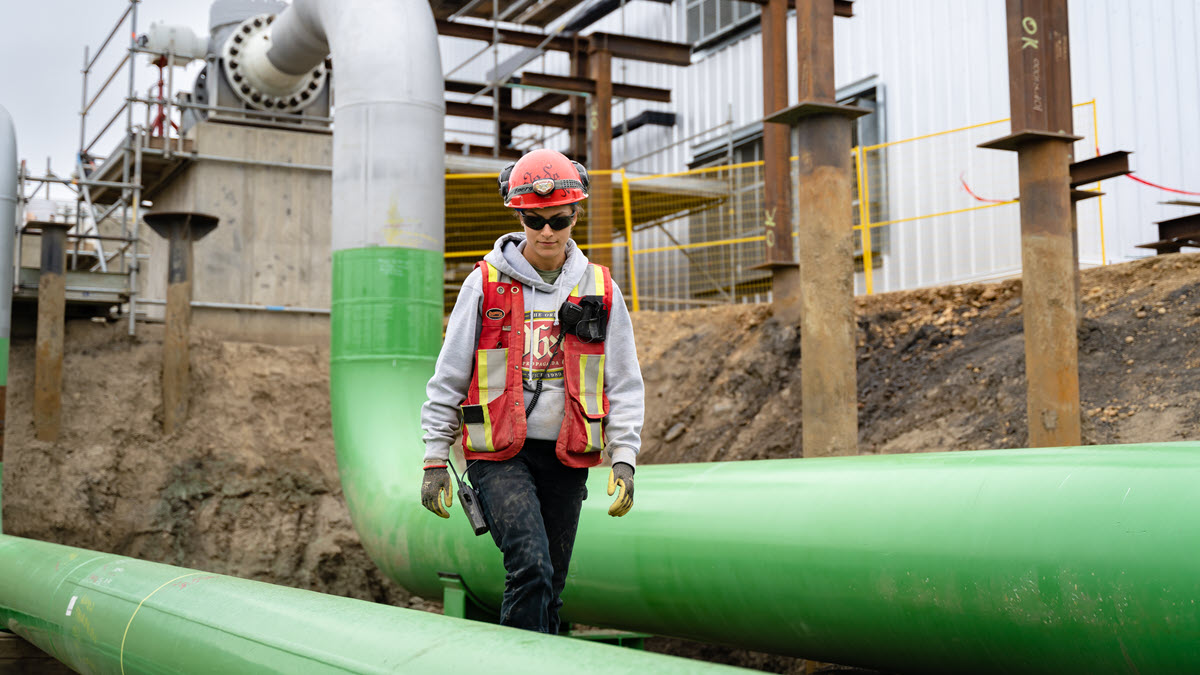
cgl-safety-pipe-integrity-1200x675.jpg

Safety

Led by TC Energy’s more than 75 years of operational excellence, the Coastal GasLink pipeline was constructed over five years with a strong safety record and a clear commitment to protecting people and the environment. This safety-first culture continues to guide everything we do—protecting our workforce, local communities and the land along the route.

At peak construction, more than 7,500 people helped build Coastal GasLink, many from Indigenous and local communities—creating lasting benefits through employment, skills training and contracting opportunities.  

Our pipeline safety programs are among the most robust in the industry and are central to our operations. Coastal GasLink is monitored 24 hours a day, 365 days a year from our Operations Control Centre using advanced technology. We also conduct regular aerial patrols, geotechnical monitoring and in-line inspections to ensure the continued integrity and safe, reliable operation of the system.
Your safety role

The biggest risk to a pipeline is when a landowner or a contractor conducts unauthorized activity or excavation on the right-of-way.

Call before you dig

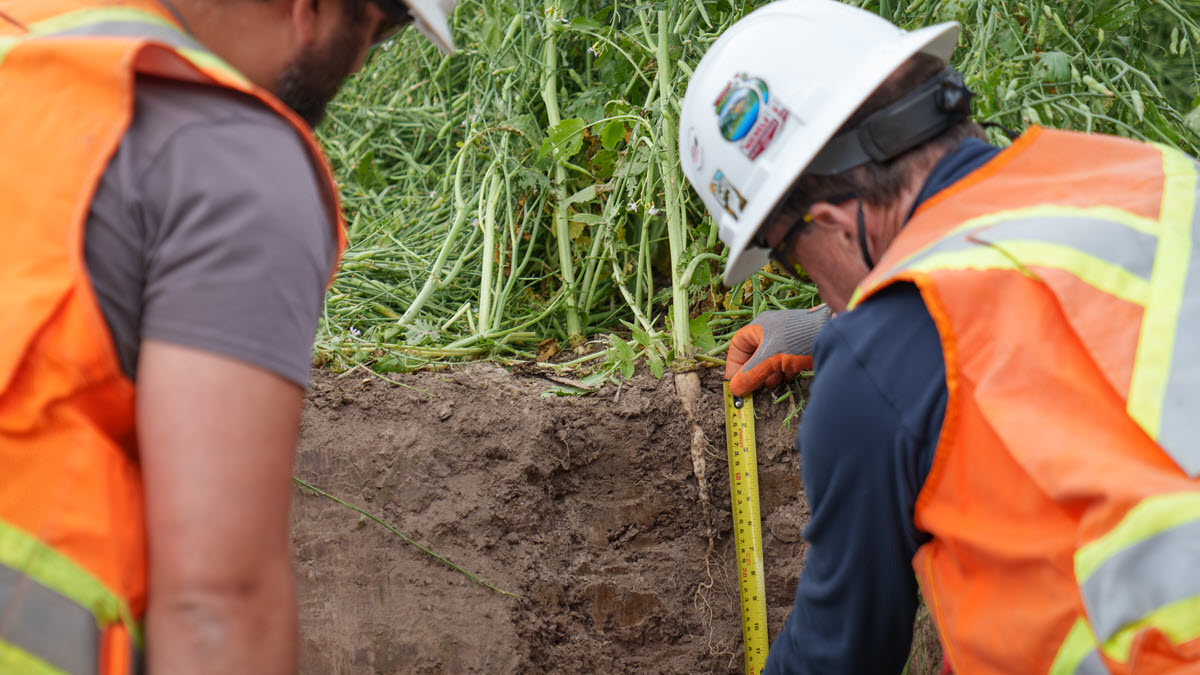
cgl-vanderhoof-reclamation-1200x675.jpg

Reclamation and Environmental Stewardship

Care is taken to restore the pipeline route to equivalent land capability and support the return of natural vegetation and biodiversity. 

Monitoring continues after reclamation is complete to assess effectiveness and ensure long-term success. Where needed, additional measures are implemented promptly to address any issues and support ongoing environmental protection.

Living and Working Near Pipelines 

Pipelines safely deliver the energy people depend on every day—but it’s important to take precautions when living or working near them. Unsafe digging can damage infrastructure, disrupt essential services and pose serious safety risks.

Always call before you dig to locate underground utilities and help keep your project—and your community—safe.