Project details
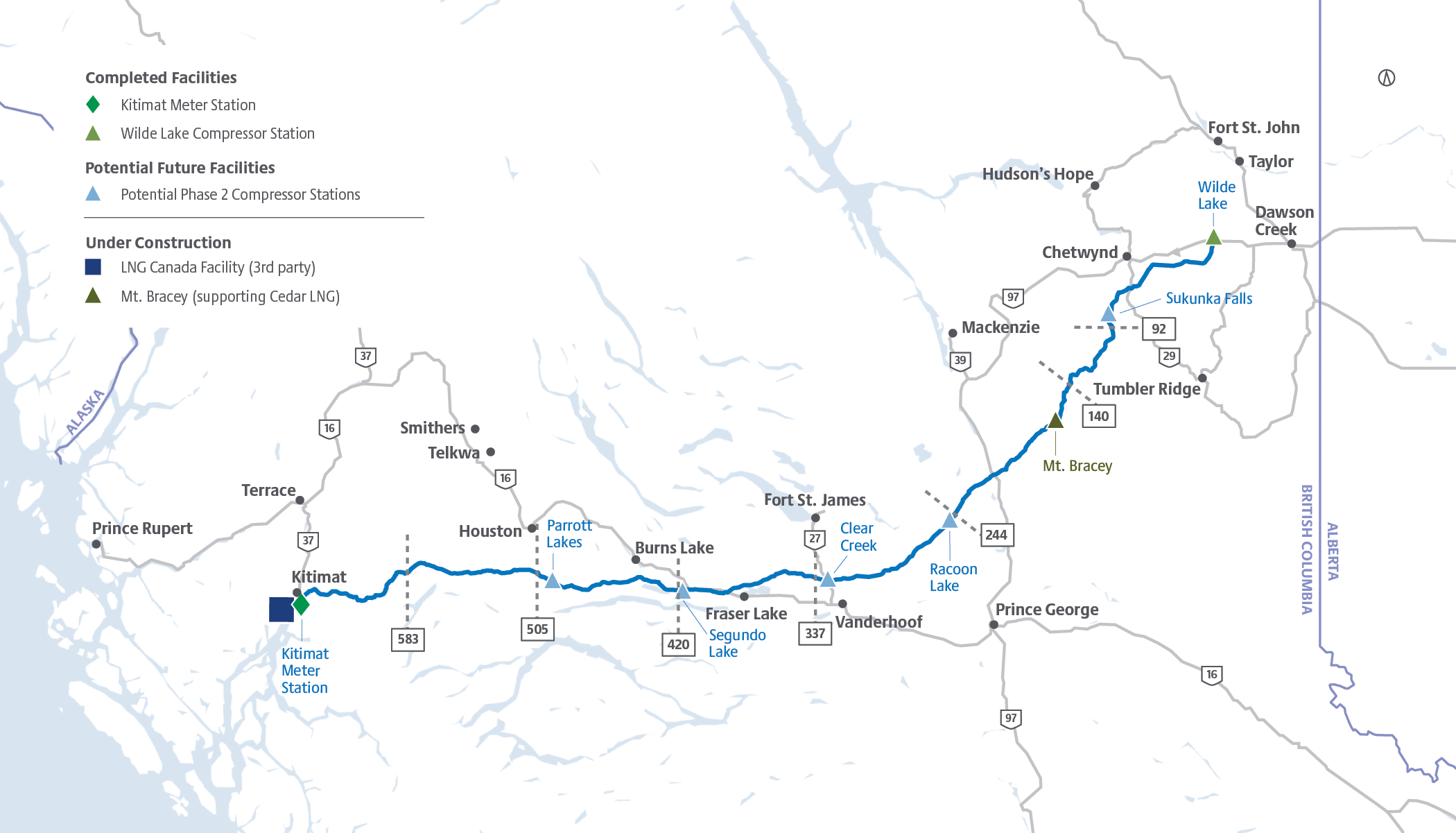
Phase 2 would not require any additional pipeline. Instead, it could involve the construction and operation of:
- Additional compressor stations located at regular intervals along the existing pipeline route.
- Modifications at existing/planned facilities:
- Wilde Lake Compressor station – additional cooling equipment and meter runs, associated buildings and piping within existing meter stations
- Kitimat Meter Station – additional separator and piping within the existing station
- Planned LNG Link Meter Station (located within the LNG Canada facility) – additional meter run, associated building and piping
Our current focus is on developmental work to assess the full potential of Phase 2, including:
- scope refinements
- engineering
- permitting requirements
- financial analysis
- engagement with Indigenous and local communities
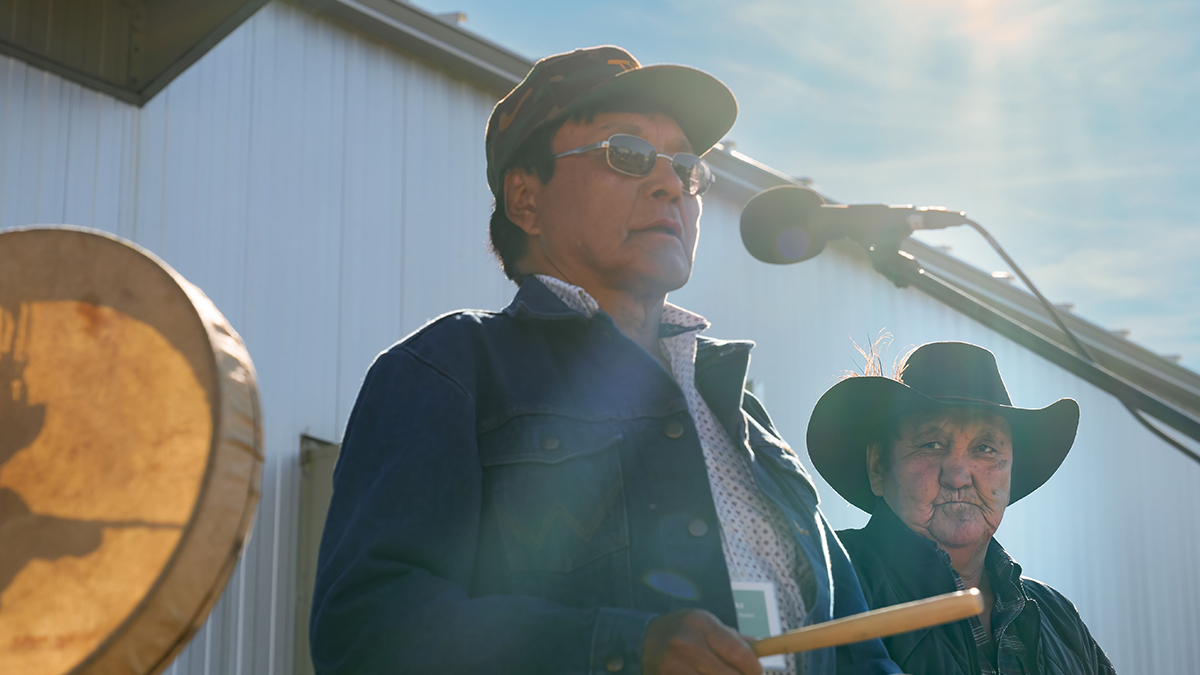
Working with Indigenous and local communities
While Phase 2 was included in the original Environmental Assessment Certificate, it requires additional permits and approvals from the BC Energy Regulator, BC Environmental Assessment Office, and local governments. Phase 2 engagement with Indigenous groups, landowners and local communities is ongoing.
Phase 2 would create additional opportunities for Indigenous and local communities should a decision be made to move forward.

Timeline
2012
LNG Canada selects Coastal GasLink; our ongoing engagement process begins, followed by environmental and engineering studies
2014
B.C. Environmental Assessment Office (EAO) issues EAC for Coastal GasLink Project, including potential future facilities
2018
EAO issues amendment to EAC for proposed alternate routing (May 2018)
Coastal GasLink final investment decision (FID) (October 2018)
2019
B.C Oil & Gas Commission (B.C.OGC) issues amendment to Pipeline Permit for proposed alternate routing (May 2019)
2020-2023
Pipelines and facilities construction; mechanical completion of Phase 1 of Coastal GasLink (Nov 2023); engagement with Indigenous groups, landowners and local communities; filing of Phase 2 regulatory applications
2024-2025
Continued engagement and filing of permit applications; Phase 2 design engineering and pre-construction planning
2026+
Potential final investment decision made by LNG Canada